Moving from Texas to Florida: Comparing Two No-Income-Tax States
Texas and Florida share a lot of DNA. Both are large, fast-growing Sun Belt states with no state income tax, business-friendly climates, and a deep sense of independent identity. So why would a Texan move to Florida? As it turns out, the two states differ in some important ways when it comes to property taxes, insurance, lifestyle, and what you get for your housing dollar. If you are considering the leap from the Lone Star State to the Sunshine State, here is how the two actually compare.

No Income Tax in Both States, So What's the Difference?
Both Texas and Florida have no state income tax, which means the primary financial comparison comes down to other taxes and costs. And this is where the picture gets interesting, because the differences are substantial.
Property Taxes: The Biggest Gap
Texas has some of the highest property taxes in the country. The statewide average effective rate is approximately 1.6 percent, but in many urban and suburban counties it climbs to 2.0 to 2.5 percent. Harris County, which includes Houston, averages around 2.03 percent. Collin and Denton Counties north of Dallas regularly hit 2.0 percent or higher. On a $400,000 home in the Dallas or Houston suburbs, you could easily pay $8,000 to $10,000 per year in property taxes.
Florida's average effective property tax rate is approximately 0.86 percent, roughly half of Texas. Florida also offers the Homestead Exemption, which removes $50,000 from the assessed value of your primary residence. On that same $400,000 home in Manatee County, your annual property taxes would typically run $4,500 to $5,500. Over a decade, that difference adds up to $30,000 to $50,000 in savings.
Insurance: A Closer Look at Two Hurricane-Prone States
Both Texas and Florida face significant natural disaster risk, which drives insurance costs. Texas deals with hurricanes along the Gulf Coast, tornadoes across the central and northern regions, and hailstorms that can devastate roofs. Florida's primary risk is hurricanes, with flood risk in certain zones.

Homeowners insurance premiums in both states are above the national average. Texas averages roughly $2,500 to $3,500 per year depending on location and coverage. Florida's average is similar, though it varies significantly by proximity to the coast and the age of the home. If you are coming from a Texas coastal area like Galveston or Corpus Christi, you are already familiar with wind coverage and flood zone considerations. The key difference is that Florida's insurance market has been undergoing reform and stabilization, and newer construction built to Florida's strict post-2002 building codes often qualifies for meaningful premium discounts.
Homestead Exemption: Texas Unlimited vs. Florida's $50,000
Texas is famous for its unlimited homestead exemption, which protects the full value of your primary residence from most creditors, including in bankruptcy. There is no cap on value. Florida's homestead exemption is different. It provides a $50,000 reduction in assessed value for property tax purposes and also offers strong creditor protection similar to Texas, but with an acreage limit of half an acre in a municipality or 160 acres outside one, rather than an unlimited value cap.
For most homeowners, the practical difference is minimal unless you own a very high-value home and are concerned about asset protection. Both states offer excellent homestead protections compared to the rest of the country. The property tax benefit of Florida's homestead exemption, while capped at $50,000 in assessed value reduction, is financially meaningful on top of Florida's already lower tax rate.
Lifestyle Differences: What Texans Notice First
The cultural transition from Texas to Florida is gentler than from most other states, but there are real differences. Both states have warm climates, but Florida's is wetter and more humid. Texas heat is often dry, especially in the western and central regions. Florida's summer heat comes with humidity levels that Texans from Dallas or Austin may find intense. Houston residents, on the other hand, will feel right at home.
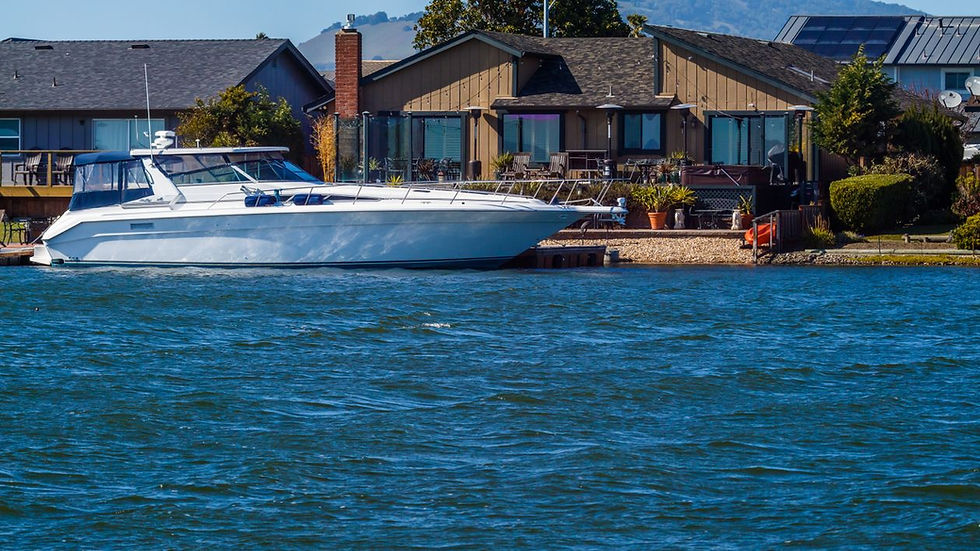
The biggest lifestyle upgrade for most Texas transplants is water access. Unless you live on the Texas Gulf Coast, beaches and waterfront living are a drive. In Southwest Florida, Gulf beaches are 20 to 40 minutes from most communities. Kayaking, paddleboarding, boating, and fishing are daily activities rather than weekend trips. If you enjoy outdoor water recreation, Florida delivers it in a way that most of Texas simply cannot.

The food scene is different but equally strong. Texas excels in barbecue and Tex-Mex, and you will miss both when you move. Florida's Gulf Coast counters with exceptional seafood, particularly grouper, stone crab, and fresh shrimp. The dining culture is more coastal and casual, less steakhouse and smokehouse. Many transplants find they trade one set of food obsessions for another.
Popular Florida Areas for Texas Transplants
Texans moving to Florida tend to gravitate toward the Gulf Coast side, which makes geographic sense. Manatee County, including Bradenton, Lakewood Ranch, and Parrish, appeals to Texans because it offers the same master-planned community lifestyle that is popular in Texas suburbs like Katy, Frisco, and Pflugerville, but with lower property taxes and beach access. Tampa, about 45 minutes north, provides big-city amenities and a strong job market for those who need it. Sarasota, 20 minutes south, adds cultural attractions including theaters, galleries, and a thriving downtown.
Make the Move
For a detailed look at what the Gulf Coast offers, explore our comprehensive guide to moving to Manatee County. For perspective from other no-income-tax-state movers, our New York-to-Florida relocation guide highlights what the tax savings look like from the other direction.
Ready to see how Florida compares in person? Book a free buyer consultation and let's find your Florida home.