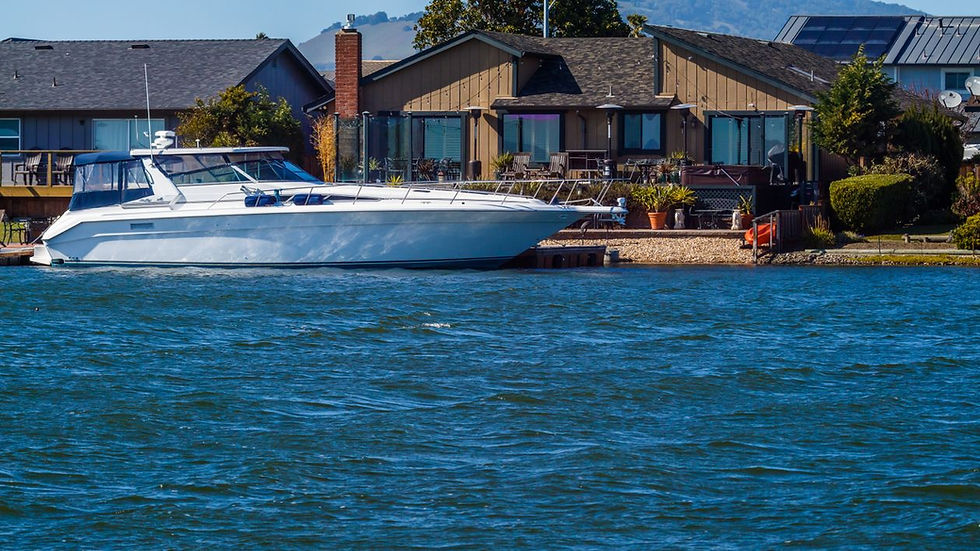
Flood Zones in Bradenton & Sarasota: Which Neighborhoods Are X vs AE
One of the most common questions I get from buyers relocating to the Bradenton and Sarasota area is about flood zones. It makes sense — you see the beautiful waterfront homes, the barrier islands, the canals, and your first thought after "I want to live here" is usually "what's the flood risk?" The good news is that understanding flood zones isn't complicated once you know the basics, and plenty of great neighborhoods sit in minimal-risk zones. Let me walk you through what it all means.
What Do Flood Zones Actually Mean?
FEMA assigns every piece of land in the country a flood zone designation based on historical data, topography, and proximity to water. Here are the main designations and what they mean in plain English.
Zone X is the one you want if you're looking to minimize risk and insurance costs. It means the property has a minimal chance of flooding — less than a 0.2% annual chance, or what's sometimes called outside the 500-year floodplain. Most lenders do not require flood insurance for properties in Zone X, though you can still purchase it voluntarily.
Zone AE means the property sits in a Special Flood Hazard Area with a 1% annual chance of flooding — the so-called 100-year floodplain. FEMA has determined a Base Flood Elevation (BFE) for these areas, and if you have a mortgage from a federally regulated lender, flood insurance is mandatory. Your insurance premium depends heavily on your home's lowest floor elevation relative to the BFE.
Zone VE is the coastal high-hazard version of AE. It carries the same 1% annual flood risk but adds wave action from storm surge. You'll find VE zones along the Gulf-facing sides of barrier islands like Anna Maria, Longboat Key, and Siesta Key. Construction requirements are stricter and insurance premiums are typically the highest here.
Zone A is similar to AE — it's a high-risk flood area — but FEMA hasn't determined a specific Base Flood Elevation. You'll see this in some inland areas near rivers and creeks. Flood insurance is still required with a mortgage.
How to Look Up Your Property's Flood Zone
The easiest way to check any property's flood zone is through FEMA's Flood Map Service Center at msc.fema.gov. You can search by address and pull up the current Flood Insurance Rate Map (FIRM) for the area. The map will show you the zone designation, the community panel number, and the effective date of the map.
I'd also recommend checking with Manatee or Sarasota County directly, as local GIS systems sometimes provide more detailed and up-to-date information than the federal maps, especially if there have been recent map revisions or Letters of Map Amendment (LOMAs).
Bradenton & Sarasota Neighborhoods in Zone X
If minimizing flood risk is a priority, here's where to focus your search. Most of Lakewood Ranch sits comfortably in Zone X. The community is located inland, at a higher elevation, and was developed with extensive drainage infrastructure. This is one of the reasons Lakewood Ranch consistently ranks among the top-selling master-planned communities in the country.
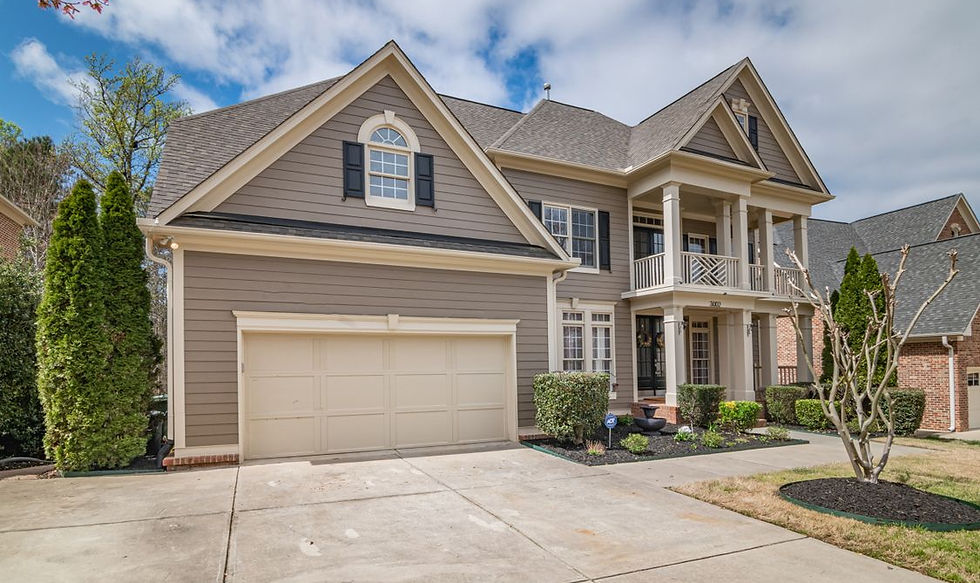
Parrish, north of Bradenton, is another area where you'll find mostly Zone X properties. It's growing quickly with new construction and offers a more rural feel while still being close to everything.
Inland portions of Palmer Ranch in Sarasota are predominantly Zone X as well. You get the upscale Sarasota address without the barrier island insurance premiums.
North Port's interior neighborhoods are largely Zone X too, and you'll find some of the most affordable single-family homes in the area there.
Neighborhoods in Zone AE and VE
Now for the areas where flood insurance comes with the territory. The barrier islands — Anna Maria Island, Longboat Key, Lido Key, Siesta Key, and Casey Key — are almost entirely in AE or VE zones. That's the trade-off for waking up to Gulf views.
Waterfront neighborhoods in Bradenton's 34209 zip code, including areas along Palma Sola Bay and Sarasota Bay, are predominantly Zone AE. If you're looking at waterfront properties in this area, I put together a detailed guide on the 34209 zip code that covers what to expect. The Cortez fishing village, with its historic charm and bay access, also falls in AE zones.
Parts of the Palmetto waterfront along the Manatee River and Terra Ceia Bay are designated AE as well. And Venice Island — the walkable downtown area of Venice surrounded by the Intracoastal Waterway — is largely in AE flood zones.
For buyers interested in waterfront living, check out my page on waterfront homes under $1M to see what's currently available across these areas.
Flood Insurance Costs: Zone X vs Zone AE
Let's talk real numbers, because this is where flood zones hit your monthly budget.
In Zone X, flood insurance is optional. If you choose to purchase a policy, expect to pay roughly $400 to $800 per year through the National Flood Insurance Program (NFIP) or a private insurer. Many buyers in Zone X opt for coverage anyway — it's relatively affordable peace of mind, and Florida does get hurricanes.
In Zone AE, insurance is required with any federally backed mortgage. Under FEMA's Risk Rating 2.0 pricing system, premiums vary widely based on your specific property's risk factors — distance to water, elevation, building type, replacement cost, and flood history. For a typical single-family home in AE, expect annual premiums ranging from $2,000 to $6,000. Older waterfront homes and properties below the BFE can see premiums climb to $8,000 to $12,000 or more.
Private flood insurance is worth exploring as an alternative. Private carriers sometimes offer lower premiums with better coverage for properties that score well on their proprietary risk models.

Elevation Certificates: What They Are and Why They Matter
An elevation certificate is a document prepared by a licensed surveyor that records the elevation of a building's lowest floor relative to the Base Flood Elevation. If a home's lowest floor is above the BFE, your insurance premiums can be significantly lower. If it's below the BFE, premiums go up — sometimes dramatically.
When you're buying in a flood zone, always ask for the elevation certificate. If the seller doesn't have one, it's worth the $300 to $500 to get one before closing so you have accurate insurance estimates. I've seen cases where buyers were quoted preliminary flood insurance rates that were thousands of dollars higher than what they actually paid once the elevation certificate showed the home was above the BFE.
Condo Reserves and SB 4-D: A Flood Zone Factor
If you're looking at waterfront condos, there's another layer to consider. After the Surfside condo collapse in 2021, Florida passed Senate Bill 4-D, which requires condo associations for buildings three stories or taller to conduct structural inspections and maintain fully funded reserves for structural components.
For older waterfront condos in flood zones, this has created real financial pressure. Associations that deferred maintenance for years are now facing large special assessments to fund reserves and complete required repairs. Before buying a condo in a flood zone, review the reserve study, the most recent inspection report, and any pending or recent special assessments. The days of artificially low HOA dues funded by waived reserves are over.
What to Check Before Buying in a Flood Zone
Before making an offer on any property in a flood zone, here's what I recommend:
Verify the flood zone designation through FEMA's map tool or your county's GIS portal. Don't rely on listing descriptions alone — I've seen listing agents get the flood zone wrong.
Request the elevation certificate. If one doesn't exist, factor the cost of obtaining one ($300–$500) into your due diligence timeline.
Get a flood insurance quote before you close. Contact at least two carriers — NFIP and one private insurer — so you have real numbers to budget with.
Check the property's flood claims history. Your insurance agent can request a CLUE report that shows past claims on the property.
For condos, review the association's financials. Look at the reserve study, insurance coverage, and any post-SB 4-D inspection reports.
If you're ready to start your home search and want help navigating flood zones, schedule a buyer consultation. Already own a home in the area and curious about your current value? Request a free home valuation.
FAQs About Flood Zones in Bradenton & Sarasota
Do I need flood insurance in Zone X?
Technically, no. If your property is in Zone X and you have a mortgage, your lender is not required to mandate flood insurance. However, I always recommend at least considering a policy. Zone X doesn't mean "no flood risk" — it means lower risk. Policies in Zone X are relatively affordable, typically under $800 a year, and Florida's combination of hurricanes, tropical storms, and afternoon thunderstorms means flooding can happen anywhere.
How much does flood insurance cost in Bradenton/Sarasota?
It depends on the flood zone, your property's elevation, construction type, and replacement value. In Zone X, a voluntary policy runs roughly $400 to $800 per year. In Zone AE, required policies typically range from $2,000 to $6,000 annually for a standard single-family home, with some waterfront properties paying $8,000 to $12,000 or more. FEMA's Risk Rating 2.0 pricing system means every property is individually assessed rather than relying solely on the flood zone map.
Can I get a mortgage on a home in Zone AE?
Absolutely. Being in Zone AE doesn't prevent you from getting a mortgage — it just means you'll need to carry flood insurance for the life of the loan. Your lender will require proof of coverage before closing. The key is getting your flood insurance quote early in the buying process so you can factor that annual cost into your overall budget alongside your mortgage payment, property taxes, and homeowners insurance.
How do I find out what flood zone a property is in?
The fastest way is FEMA's Flood Map Service Center at msc.fema.gov. Enter the property address and you'll see the current flood zone designation. You can also check your county's GIS portal — Manatee County and Sarasota County both have online map viewers that overlay flood zones on property parcels. When I send you listings, I always include the flood zone information so you know exactly what you're looking at before we schedule a showing.