Cost of Living in Sarasota, FL: What to Expect in 2026
Understanding the cost of living is one of the first—and most important—steps when planning a move to Sarasota, FL. Whether you're relocating from a high-cost metro like New York or Chicago, or from another part of Florida, knowing what to expect financially helps you make a confident decision about where to buy and how much home you can afford.
This guide breaks down the major cost categories for Sarasota County in 2026, including housing, utilities, groceries, healthcare, and transportation. For a broader overview of what makes Sarasota a great place to live, see our complete guide to moving to Sarasota, FL.
Housing Costs: The Biggest Factor
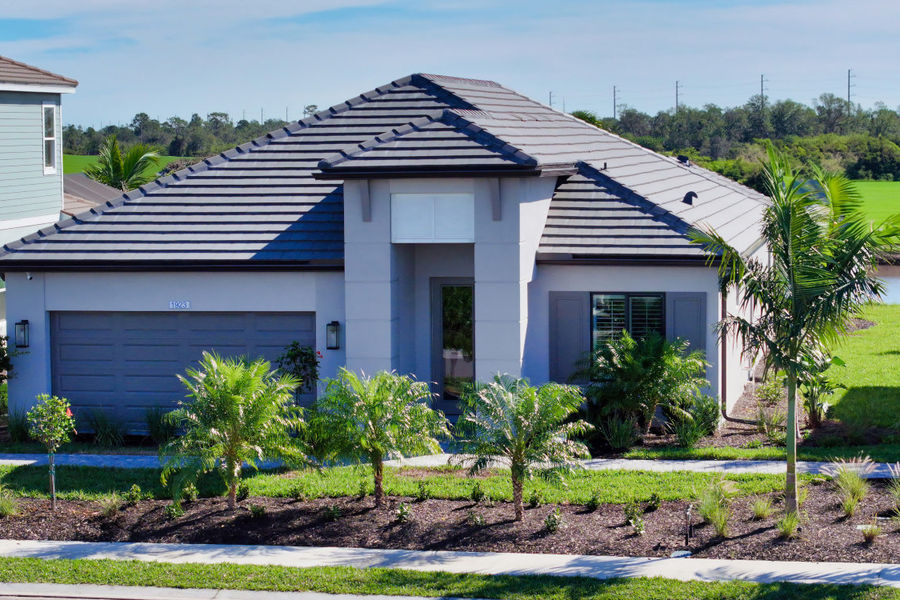
Housing is by far the largest cost category in Sarasota County, and it's also where costs vary the most. The median home price in Sarasota County hovers around $420,000 to $460,000 in mid-2026, but that number only tells part of the story.
What You Can Expect by Price Range
In the $250,000 to $350,000 range, you'll find condos and townhomes near downtown Sarasota, older single-family homes in established neighborhoods like Gulf Gate or Bee Ridge, and some deed-restricted 55+ communities. In the $400,000 to $600,000 range—where most buyers land—you get newer single-family homes in master-planned communities like Lakewood Ranch, Palmer Ranch, or newer developments in Venice. Above $600,000, you're looking at newer construction in premium communities, larger waterfront-adjacent homes, or homes on golf courses. True Gulf-front and bayfront properties start well above $1 million.
Compared to major metros, Sarasota's housing costs are moderate. A family leaving the New York metro area, where the median home price exceeds $600,000, will find significantly more space for less money. However, compared to inland Florida cities like Orlando or Jacksonville, Sarasota runs about 15-25% higher—the premium for coastal living.
Renting in Sarasota
If you're renting before buying, expect to pay between $1,800 and $2,500 per month for a two-bedroom apartment in a desirable area. Three-bedroom single-family home rentals typically run $2,500 to $3,500. Seasonal rentals (November through April) command premium rates, sometimes 30-50% higher than annual lease rates.

Utilities and Monthly Bills
Monthly utility costs in Sarasota are close to the national average, though air conditioning drives electric bills higher during the summer months. Expect to budget approximately $180 to $260 per month for electricity (higher in summer, lower in winter), $30 to $50 for water and sewer, and $60 to $80 for internet service. Natural gas is uncommon in Florida—most homes use electric for everything. If you're coming from a state where heating oil or natural gas is a major winter expense, you may find your overall utility costs stay roughly the same, just shifted from winter heating to summer cooling.
Groceries and Everyday Expenses
Grocery costs in Sarasota are within about 3-5% of the national average. Publix is the dominant grocery chain and known for quality, though Aldi, Trader Joe's, Walmart, and several specialty markets provide competition. A typical family of four can expect to spend $800 to $1,100 per month on groceries. Dining out is moderately priced compared to major coastal cities. A dinner for two at a mid-range restaurant runs $60 to $90 before drinks. Sarasota has an excellent farm-to-table scene with locally sourced seafood being a standout.
Healthcare Costs
Sarasota has strong healthcare infrastructure with Sarasota Memorial Hospital being one of the largest public hospitals in Florida. Healthcare costs are close to the national average, though insurance premiums vary significantly by plan and employer. Specialists are readily available, and the region is particularly well-served for retiree healthcare with multiple geriatric-focused practices and facilities.

Transportation
Sarasota is a car-dependent area with limited public transit. Most residents need at least one vehicle. Gas prices typically run $0.10 to $0.20 above the national average. Car insurance in Florida runs higher than many states—expect $1,800 to $2,800 annually for full coverage, depending on your driving record and vehicle. Florida is a no-fault insurance state, which factors into the higher premiums.
The good news: Sarasota's relatively compact geography means most daily commutes are under 20 minutes. There's no toll road system within the county, unlike parts of Central and South Florida.
The Tax Advantage
Florida's biggest cost-of-living advantage is the absence of state income tax. For a household earning $150,000 annually, moving from a state with a 5-6% income tax rate means an extra $7,500 to $9,000 per year in take-home pay. That alone often offsets higher property insurance or housing costs. Property taxes in Sarasota County are reasonable by Florida standards. See our detailed breakdown of Sarasota County property taxes for more information.
How Sarasota Compares
Overall, Sarasota's cost of living is approximately 5-10% above the national average, primarily driven by housing. When compared to other desirable coastal Florida markets like Naples (significantly more expensive) or St. Petersburg (comparable), Sarasota offers strong value for the lifestyle it delivers. And when compared to high-cost metros in the Northeast and West Coast, most relocating buyers find their dollar stretches further—especially after factoring in the tax savings.
For an in-depth comparison with Tampa, check out our guide: Sarasota vs. Tampa.
Ready to Explore Your Options?
Understanding costs is just the first step. When you're ready to explore neighborhoods and homes that fit your budget, schedule a buyer consultation and I'll help you find the right fit in Sarasota County.